Journal
News, Research & Perspectives
Follow our latest research, technical discoveries, company developments and perspectives on complex systems.

Navigation When GPS Cannot Be Trusted
GPS failure is not one condition. Loss, jamming and spoofing create different risks, and resilient navigation depends on physical references with genuinely independent failure modes.

When Black-Box Prediction Is the Wrong Tool
Black-box prediction is valuable within a well-supported operating range. It becomes the wrong tool when consequences are asymmetric, evidence is sparse, conditions change or decisions must be explained.

When Water-Cut Data Goes Stale, Prediction Is Not Measurement
A ten-year analysis of public offshore production records shows why the age of a water-cut observation must remain visible—and why an estimate should never be presented as a measurement.

Why an ICU Arrhythmia Alarm Is Not Yet a Clinical Event
An ICU alarm is a detector output, not physiological ground truth. Reliable ventricular-tachycardia verification must separate electrical rhythm, mechanical consequence and sensor failure without suppressing true events.
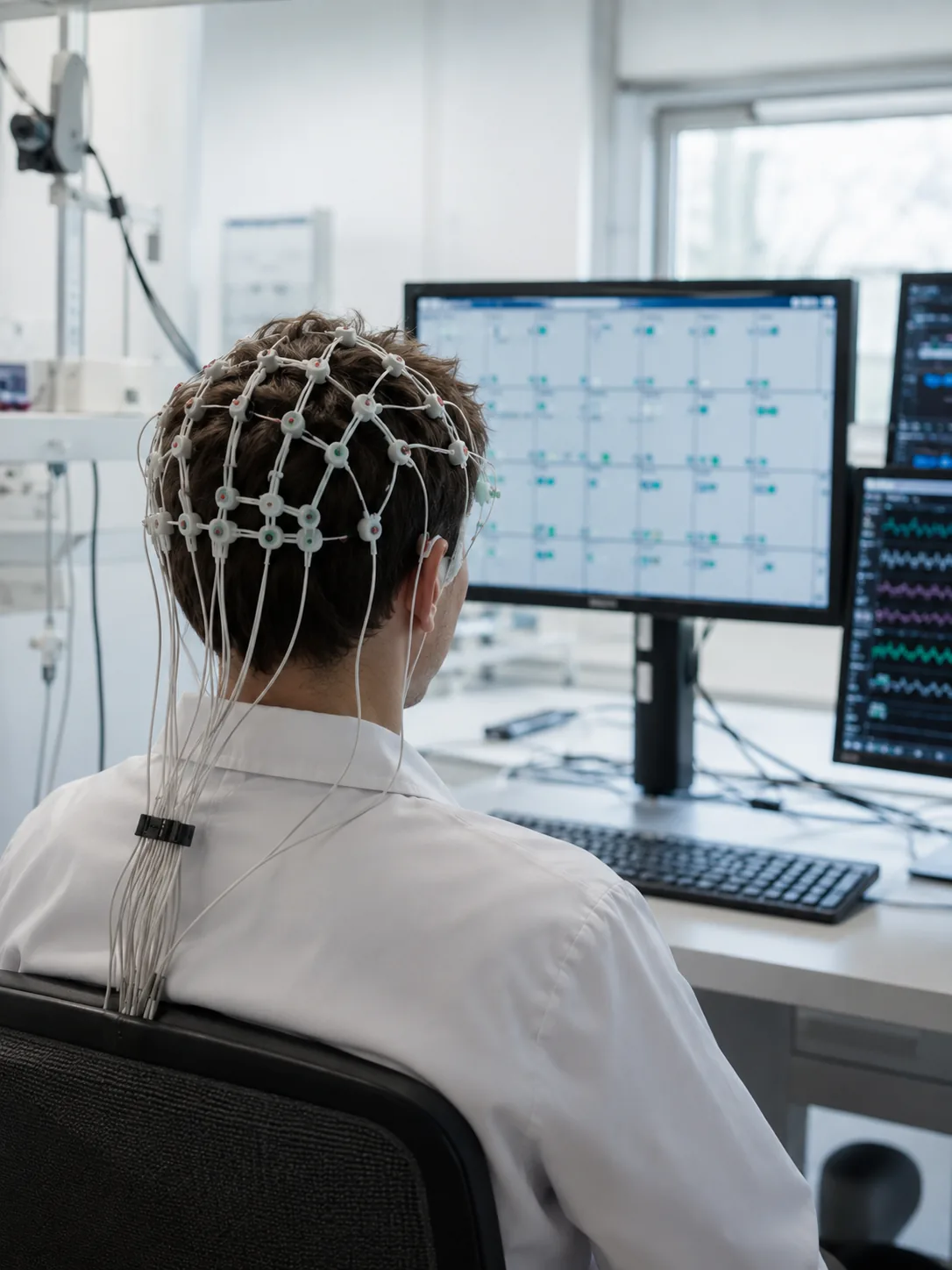
Why Higher Classification Accuracy Is Not Enough in BCI
A BCI is not useful because it predicts well on average. It must know when not to act, work across users and sessions, and deliver usable control without excessive calibration.

Why More Data Does Not Always Solve the Problem
More observations can reduce sampling uncertainty. They cannot repair a wrong measurement, remove hidden confounding, recover a missing causal quantity or guarantee transfer to a new regime.

Why ST Elevation Is Not the Same as Coronary Occlusion
ST elevation is an ECG pattern; acute coronary occlusion is an anatomical and physiological condition. Reliable triage must distinguish the measurement, the underlying event and the urgency of intervention.

Why Treatment Order Can Change the Outcome
The same treatments at the same doses are not always the same treatment plan. In a changing biological system, the first intervention can alter what the next one encounters.